
By Foster Akpore | Thursday, July 2, 2026
OZORO, Delta State — More than 40 stakeholders drawn from traditional institutions, women’s groups, religious organisations, security agencies, students, youths, civil society organisations and community leaders have resolved to strengthen community-led efforts to safeguard women and girls against Sexual and Gender-Based Violence (SGBV) in Ozoro Kingdom, Delta State.
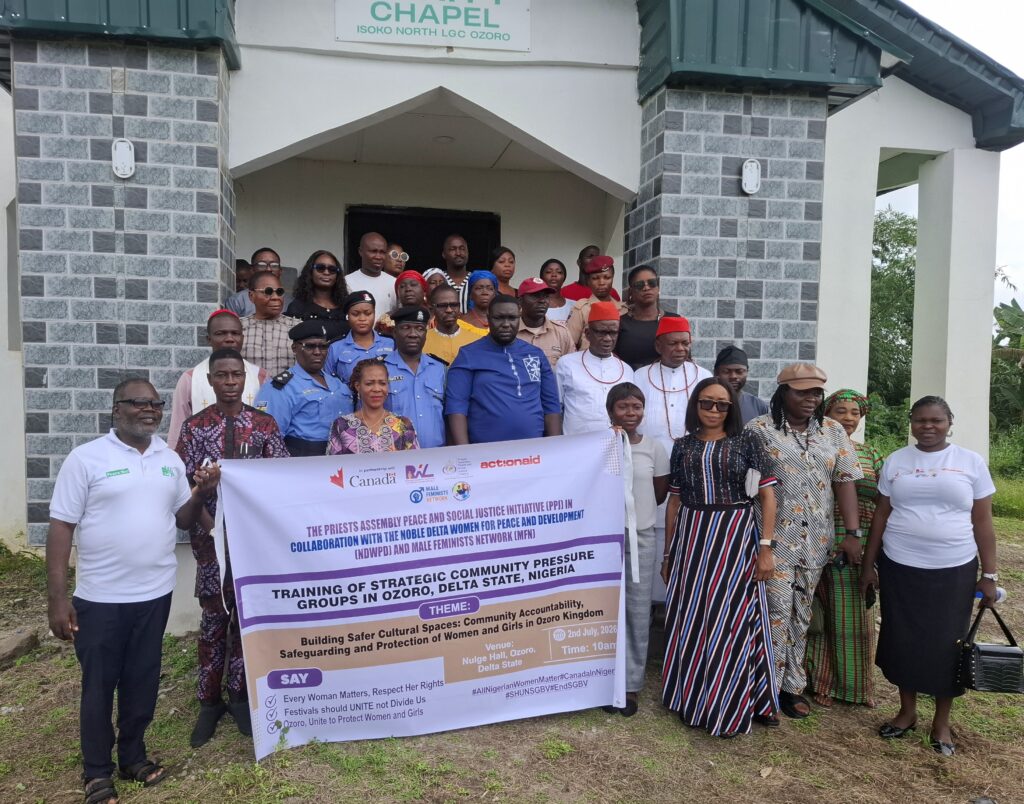
The stakeholders reached the resolution during a one-day training on “Building Safer Cultural Spaces: Community Accountability, Safeguarding and Protection of Women and Girls in Ozoro Kingdom,” held at the Council Chapel, Isoko North Local Government Secretariat, Ozoro.
The programme was organised by the Priests Assembly Peace and Social Justice Initiative (PPJ) in collaboration with the Noble Delta Women for Peace and Development International (NDWPD) and the Male Feminists Network (MFN) under the Rapid Response and Norm Transformation Initiative to End Sexual and Gender-Based Violence in Cultural Spaces in Delta State, a community-based intervention supported by ActionAid Nigeria and funded by Global Affairs Canada through the Renewed Women’s Voice and Leadership–Nigeria Project.
The training brought together chiefs from Ozoro Kingdom, women leaders, religious organisations, security personnel, students, youth groups, civil society organisations and other community stakeholders to strengthen community accountability and develop practical mechanisms for protecting women and girls from violence while preserving the positive values of cultural festivals.
Delivering the welcome address on behalf of Dr. (Mrs) Ejiro Joyce Otive-Igbuzor, the Executive Director of PPJ, Pastor Julius Akpovwovwo said the initiative was designed not to condemn culture but to strengthen it by ensuring that cultural spaces remain safe and inclusive for everyone.
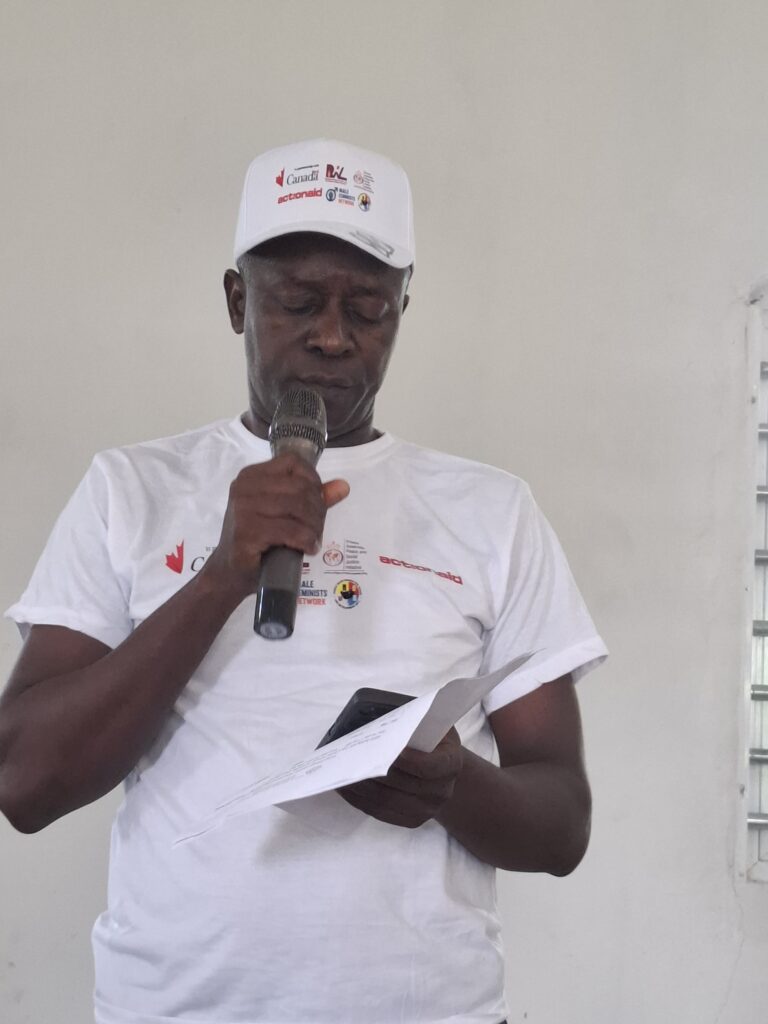
He noted that extensive consultations had been held with HRM (Barr.) Anthony Ovietobore Ogbogbo, Ibuka I, Ovie of Ozoro Kingdom, traditional chiefs, women leaders, youth groups, religious institutions, security agencies and other stakeholders, all of whom expressed a common desire for peaceful, dignified and safer cultural spaces.
According to him, the workshop marked a transition from dialogue to practical action by equipping participants with knowledge on safeguarding, strengthening understanding of legal protections against SGBV, and laying the foundation for a community-owned safeguarding mechanism that would continue beyond the lifespan of the project.
He also expressed optimism that the workshop would produce a network of Community SGBV Ambassadors who would champion dignity, accountability and the protection of women and girls across Ozoro Kingdom.
Presenting an overview of the project, Ambassador (Chief) Caroline Usikpedo-Oliseowe explained that the intervention was conceived following concerns over harmful cultural practices and incidents of harassment experienced by women during cultural festivals.
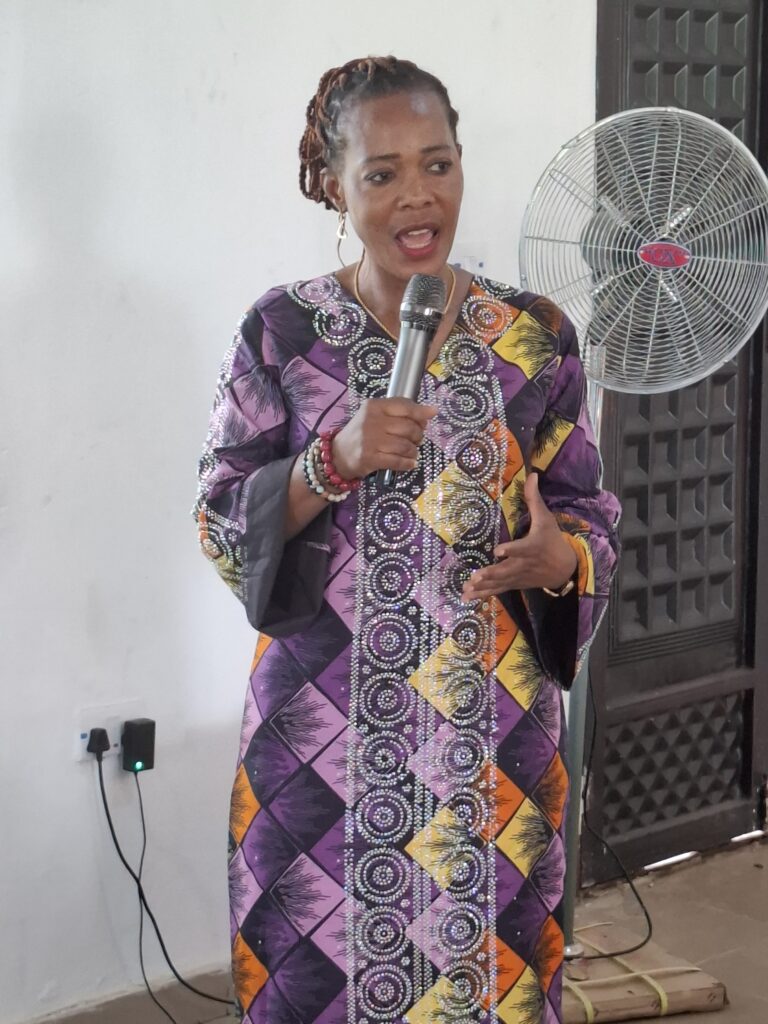
She said the project seeks to prevent Sexual and Gender-Based Violence through community engagement, collaboration, accountability and social norm transformation.
According to her, the initiative is being implemented under the Renewed Women’s Voice and Leadership–Nigeria Project and reflects a partnership between PPJ, NDWPD and the Male Feminists Network with the support of ActionAid Nigeria and Global Affairs Canada.
In his goodwill message, Coordinator of the Male Feminists Network (MFN), South-South Nigeria, Pastor Edewor Egedegbe, called on stakeholders to become more actively involved in safeguarding women, girls, men and other vulnerable persons within their communities.
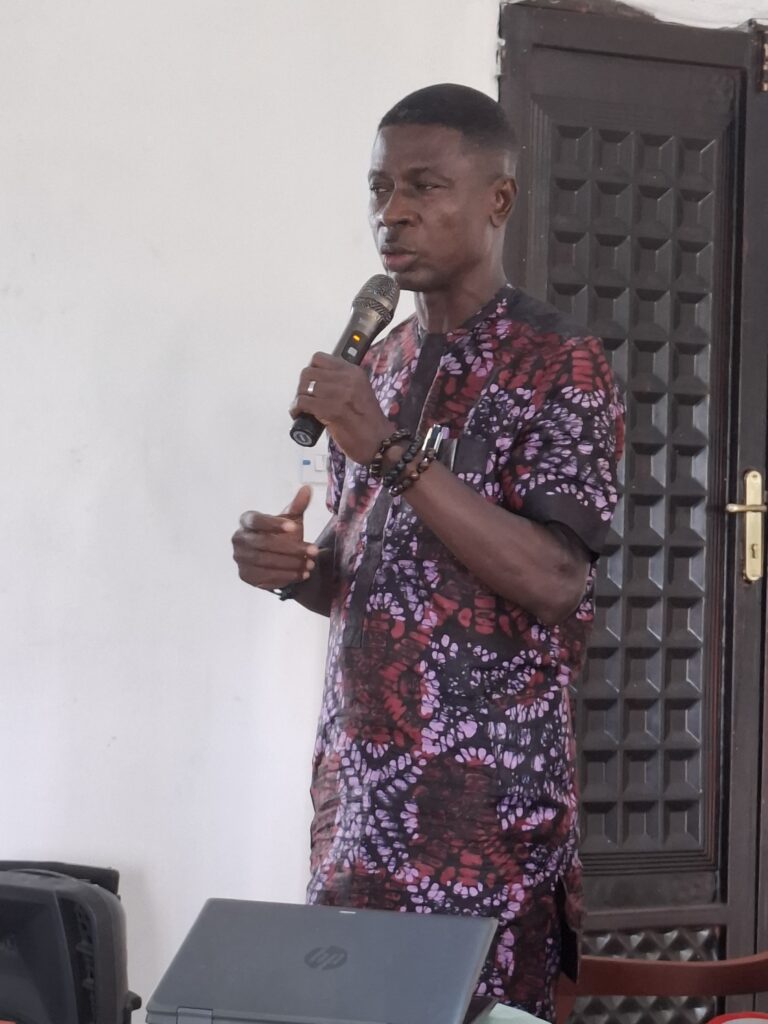
He said, “This initiative reflects our shared commitment to building communities where women and girls can live free from violence, abuse, discrimination and harmful cultural practices.”
Egedegbe stressed that ending Sexual and Gender-Based Violence was not the responsibility of government alone but required the collective commitment of traditional institutions, community leaders, men, women, youths, faith-based organisations, civil society organisations and law enforcement agencies.
He reaffirmed the readiness of the Male Feminists Network to collaborate with all relevant stakeholders, adding that men must become active allies by challenging harmful gender norms, promoting positive masculinity and supporting the protection of women and girls.
He urged participants to engage fully in the training and translate the knowledge acquired into practical community actions capable of building safer cultural spaces founded on dignity, accountability and protection.
Also delivering a goodwill message on behalf of the Vice-Chancellor of Southern Delta University, Ozoro, Dr. Esemena Jeroh described the theme of the workshop as timely and necessary.
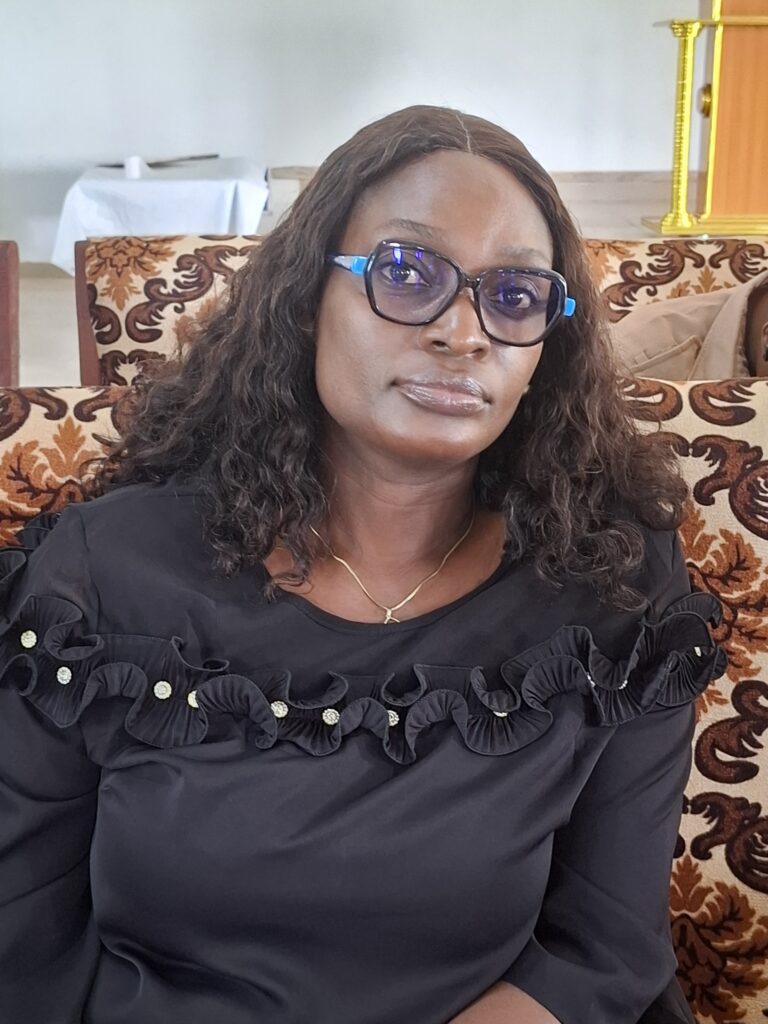
She stated that no society could attain meaningful development while women and girls lived in fear or lacked safe spaces to learn, work and thrive.
According to her, culture should remain a source of identity and pride rather than a barrier to safety, adding that accountability at family, community and institutional levels was indispensable.
She pledged the continued support of the University’s Gender Centre through research, advocacy, training and partnerships aimed at strengthening safeguarding systems and protecting the rights of women and girls.
The Executive Director of PPJ, Dr. (Mrs.) Ejiro Joyce Otive-Igbuzor, presented preliminary findings from a rapid assessment conducted across communities in the three senatorial districts of Delta State following reports of harassment of women during the Ozoro festival.
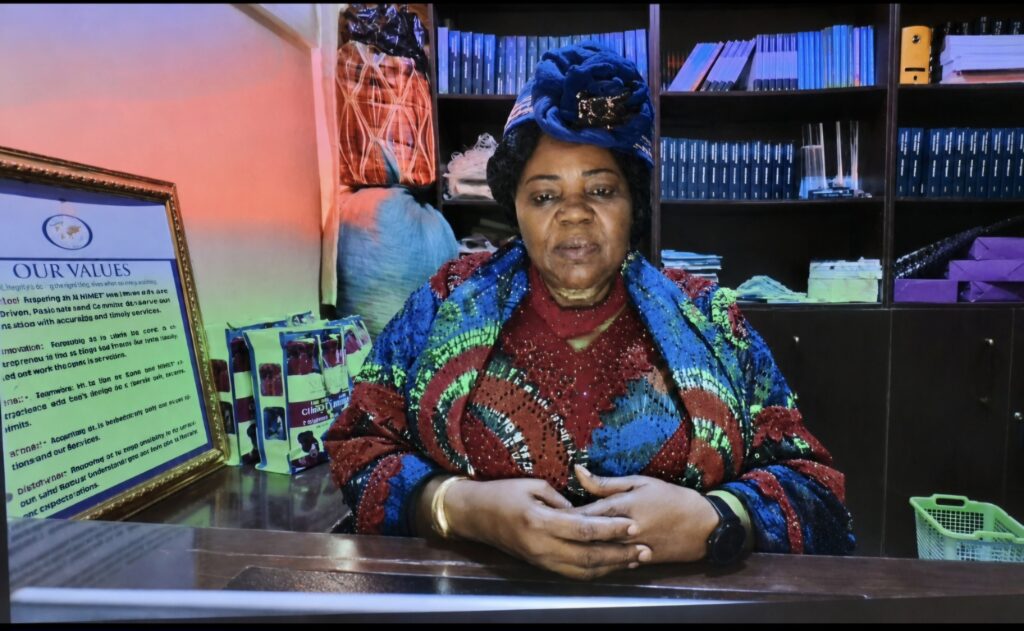
She explained that while cultural festivals remain important for preserving identity, strengthening community unity and promoting economic activities, evidence from the study showed that they also expose women and girls to significant risks.
According to her, the assessment found widespread reports of harassment, intimidation, assault, unwanted touching, humiliation and movement restrictions during festivals, with girls, young women, unmarried women, students and visitors identified as the most vulnerable groups.
She observed that many respondents regarded such abuses as normal aspects of tradition, resulting in victims being blamed while complaints were ignored or settled privately.
Dr. Otive-Igbuzor further disclosed that women and young people remained largely excluded from cultural decision-making, while survivors of abuse often failed to report incidents because of stigma, shame, fear of retaliation, lack of confidentiality and limited confidence in law enforcement.
Despite these challenges, she noted that many community members desired reforms that would preserve culture while eliminating harmful practices.
“Our project approach is not to condemn our cultural festivals,” she said. “Rather, the festivals are meant to facilitate unity of women and men, boys and girls in our communities — not to divide us.”
She added that the study concluded that Delta State’s cultural festivals remain valuable cultural assets but that practices exposing women and girls to violence must be addressed through community safeguarding mechanisms, confidential reporting systems, stronger partnerships and positive social norm transformation.
Participants were subsequently taken through technical sessions by facilitator Mrs. Jennifer Okotie, who explained the various forms of Sexual and Gender-Based Violence, including sexual harassment, rape, domestic violence, child marriage, female genital mutilation, forced marriage and exploitation.
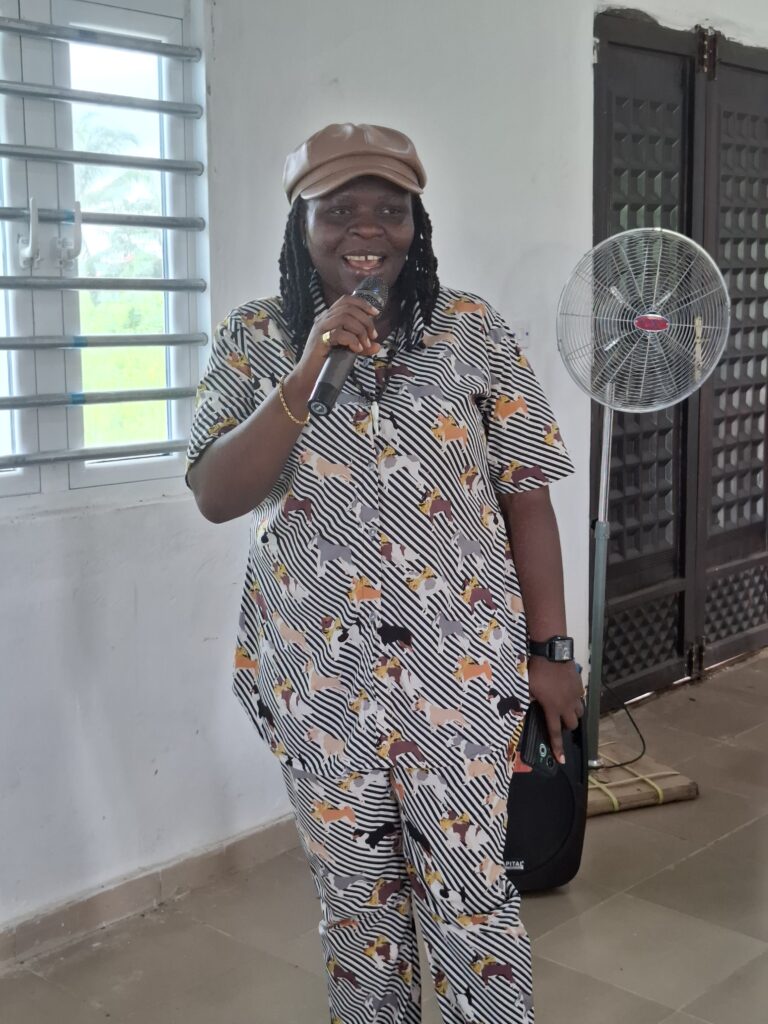
She emphasised that although anyone could experience abuse, women and girls were disproportionately affected.
“Our festivals should unite, not divide us,” she said, urging communities to preserve positive cultural values while rejecting harmful traditional practices.
Okotie also introduced participants to the proposed Community Safeguarding Mechanism, explaining that safeguarding involves protecting everyone from abuse, exploitation, harassment and violence through safe reporting channels, survivor-centred referral systems and active community participation.
She stressed that Community SGBV Ambassadors, safeguarding committees, traditional rulers, security agencies, women, men, youths and other stakeholders all have shared responsibilities in creating safer cultural spaces.
“Quality men protect, not harass women,” she stated.
Mr. Alex Okekporo later delivered a presentation on rights, laws and community accountability.
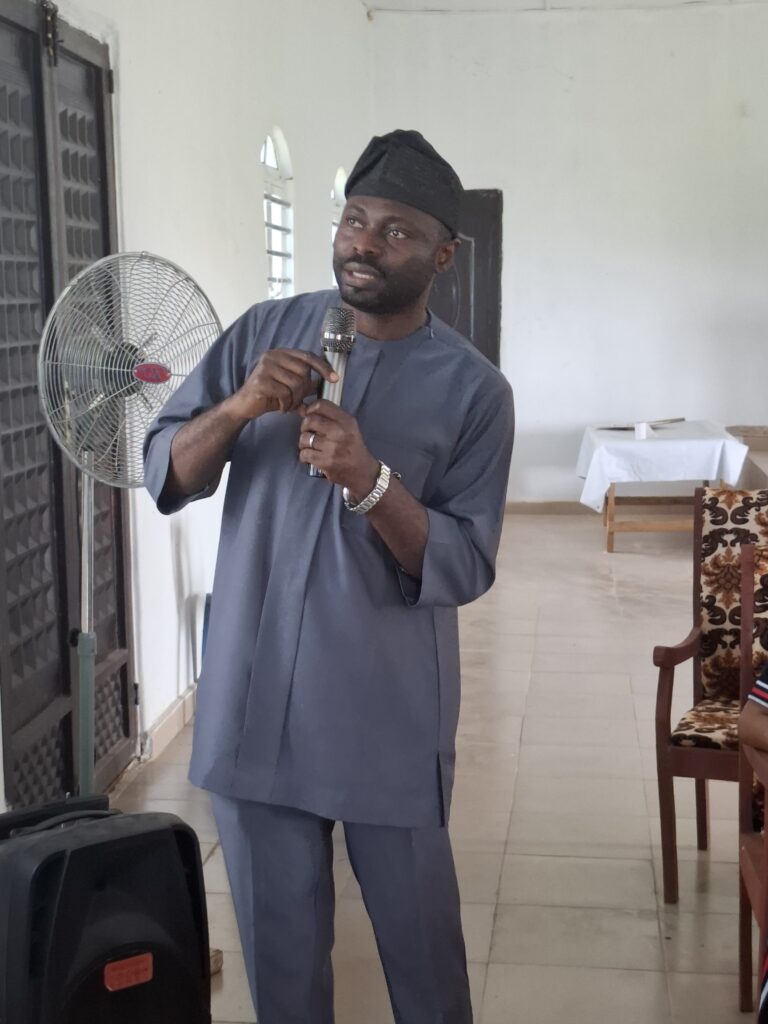
He reminded participants that every woman and girl possesses the right to dignity, safety, equality and bodily integrity under Nigerian law.
Okekporo highlighted provisions of the Violence Against Persons (Prohibition) Act, Child Rights legislation, anti-human trafficking laws and the Maputo Protocol, stressing that cultural practices cannot override the law or justify abuse.
“A community is remembered not only for its festivals, but for the lives it protects,” he said, while calling on traditional rulers, religious leaders, families, men and boys to uphold justice and protect vulnerable persons.
The workshop also featured interactive discussions on community accountability, safeguarding structures and strategies for strengthening referral pathways for survivors of violence.
Participants later developed proposals for a Community Safeguarding Mechanism aimed at establishing confidential reporting systems, strengthening survivor support, promoting community awareness and creating locally owned structures capable of sustaining safeguarding efforts beyond the project period.
The initiative forms part of broader efforts by PPJ and its partners to transform harmful social norms, preserve positive cultural heritage and ensure that cultural festivals across Delta State remain safe, inclusive and respectful of the dignity and rights of women, girls and every member of the community.